
How to Start a Small Business in Nigeria
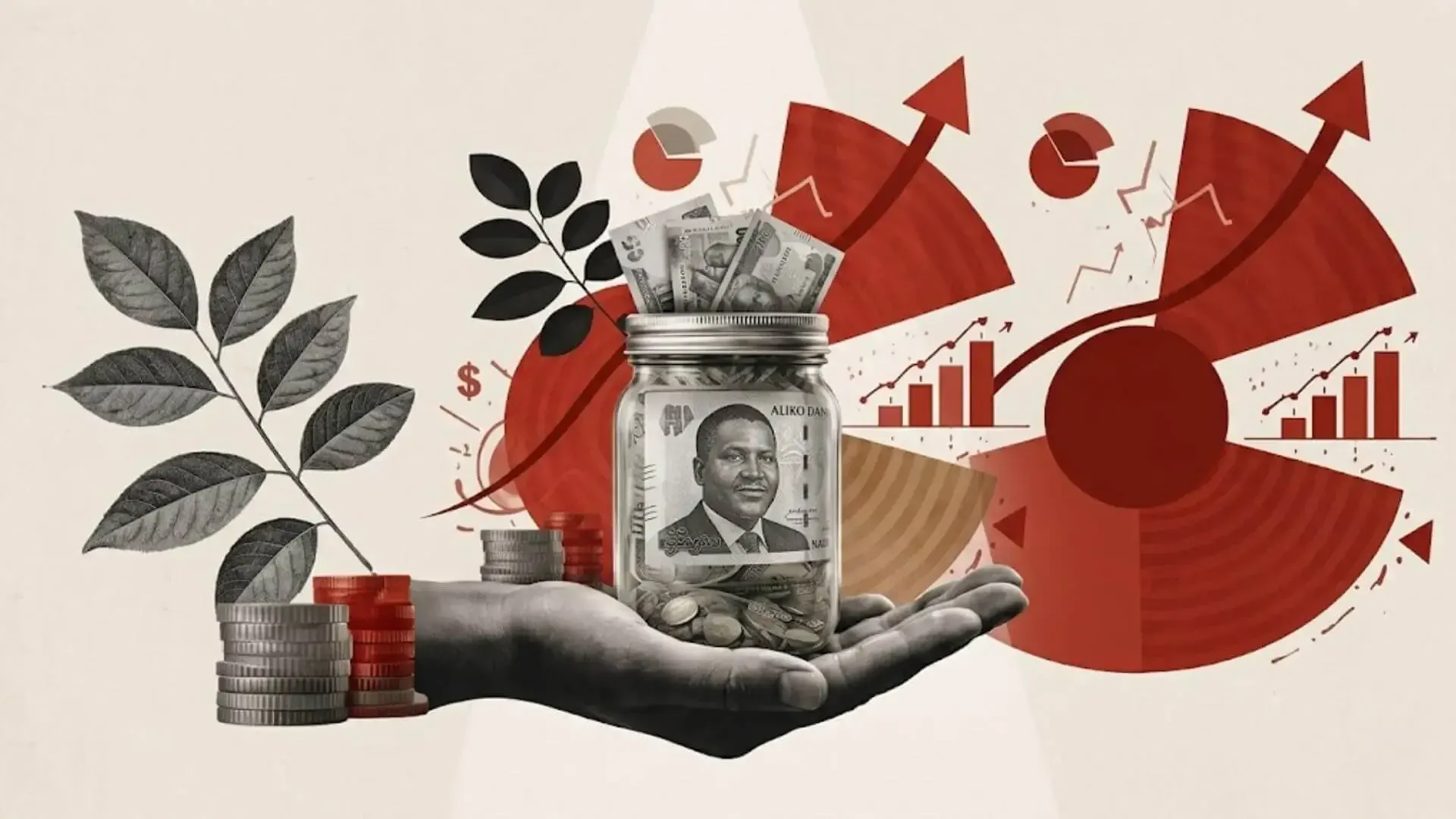
Starting a business in Nigeria is a thrilling, high-stakes adventure. The opportunities are massive, but the pressure to survive is real. You are stepping into a market with over 200 million vibrant consumers, and you are also dealing with unpredictable policies, power outages, and shifting economic tides.
Here is the good news: you do not need millions of Naira in seed capital to make your mark. What you actually need is absolute clarity, a strategy built for Nigerian realities, and the right tools to automate the heavy lifting. Whether you are looking at how to start a small business in Nigeria as a physical product seller, a digital creator, a freelancer, or a service provider, this complete, localised guide will take you from a raw idea to a structured, surviving enterprise.
10 Steps to Start A Small Business in Nigeria
1. Identify a Profitable Idea
In Nigeria, passion is great, but cash flow pays the bills. When figuring out how to start a small business in Nigeria, your first step must be rooted in intense, localised problem-solving. Look around you. The most successful businesses don't reinvent the wheel; they simply fix everyday inconveniences.
Focus on High-Resilience Niches
To survive the current economic climate, look toward high-resilience niches that address systemic infrastructural or supply chain inefficiencies:
- Everyday Needs & Consumables: Food logistics, affordable fashion, beauty items, and retailing of everyday household goods. People must eat, look good, and groom themselves regardless of the economy.
- Convenience-Based Services: Localised dispatch services, laundry pickups, or errand running.
- Alternative Energy: With grid power being unreliable, small-scale, affordable solar or inverter alternatives are experiencing explosive demand.
Validate Real Purchasing Power
Before spending a single Kobo, validate that your target market actually has the disposable income to buy what you are offering. Design product tiers that match current economic realities. If you are selling skincare, offer standard sizes alongside smaller, affordable budget tiers or travel sizes to capture a wider range of wallets. Never assume people will buy. Run free WhatsApp or Instagram polls. Post pictures of the product concept on your status and see how many people ask, "How much?" or offer to make a deposit.
2. Start Small, Start Smart
A major mistake many entrepreneurs make when researching how to start a small business in Nigeria is incurring high, upfront overhead costs. They rent a shop in Ikeja or Lekki, buy expensive furniture, and stock inventory that might sit on shelves for months.
Don't do that. Avoid unnecessary expenses from day one. Instead, lean into the pre-order model. Source pictures or samples, build an online store, show them to your audience, collect deposits, and use those deposits to buy the stock. Test the market demand extensively before scaling up.
Match Your Capital Reality
Your business model should be dictated by the amount of cash you have right now:
- Low Capital (₦100,000 - ₦500,000): Focus on reselling (dropshipping clothes, thrift wear, or beauty products) or launching service-based setups like copywriting, graphic design, or hairstyling.
- Mid Capital (₦500,000 to ₦1,000,000): Explore mini-importation of high-demand gadgets, food business ventures, or setting up a localised cloud kitchen.
Service businesses are often the fastest entry point because they require zero inventory, offer high profit margins, and trigger immediate cash flow. If you can handle social media management, makeup artistry, or virtual assistance, you can start earning today using just your smartphone and internet connection.
3. Understand Your Target Market
Nigerians are incredibly smart shoppers. They don't buy corporate brands first; they buy people they trust. This is the "Trust Before Scale" principle. Because the online space has its fair share of fraudulent pages, your primary goal is to build an unshakeable bridge of trust.
When defining how to start a small business in Nigeria, keep these market dynamics in mind:
- Income Levels and Discretionary Income: Be realistic about what your target audience can afford. Pricing that works for working professionals in Victoria Island will not work for university students in Yaba.
- Location-Driven Costs: Delivery fees change depending on location. If a customer in Alimosho wants a ₦5,000 item but delivery costs ₦4,500, you will likely lose the sale unless you can offer optimised local delivery solutions.
- Cultural Preferences: Use relatable language, tap into trending local slang, and celebrate cultural milestones (like festive seasons) to make your brand feel human and accessible.
4. Register Your Business
There is a common myth that registration is only for big corporations. In reality, registering your business acts as a shield. It transitions your brand from an informal side hustle into a highly structured, credible enterprise. It unlocks access to business bank accounts, corporate grants, and wholesale partnerships.
Through the Corporate Affairs Commission (CAC) website, you can handle this via a straightforward DIY approach:
| Entity Type | Best For | Upfront Cost & Maintenance | Investment Readiness |
| Business Name | Solo entrepreneurs, retailers, local artisans, and freelancers. | Very low upfront cost, minimal annual paperwork. | Harder to onboard external equity investors. |
| Private Limited Liability Company (Ltd) | Tech startups, B2B service providers, and businesses seeking outside capital. | Higher registration fees require structured corporate filings. | Fully ready for outside venture capital or corporate contracts. |
5. Managing Logistics and Infrastructure Overheads
Operating a business here means becoming your own local government utility provider. When plotting out how to start a small business in Nigeria, building structural resilience directly into your baseline monthly budget is critical.
Every single foundational decision you make changes your cost structure. Are you renting a physical shop, or operating completely online? Are you taking on the financial risk of upfront stocking or operating a lean dropshipping model? If you are in production (like fashion or food), are you running a made-to-order system to preserve capital, or maintaining ready-to-buy inventory for instant fulfilment? On top of that, you must factor in staffing costs; hiring staff too early can drain your cash, while hiring too late will burn you out.
Fulfilment is undeniably one of the hardest parts of running a business in Nigeria. With fluctuating fuel prices, sudden policy shifts, and heavy vehicle maintenance costs, choosing how to ship items is a major strategic decision.
6. Set Up Your Sales Channels
Relying solely on "Slide into my DM to order" is a major growth bottleneck. It slows down transactions, wears you out with endless repetitive questions, and makes your business look informal. Moving your customers from DMs to a dedicated online store is the ultimate upgrade.
This is exactly where Ojamaker shines as the absolute best fit for your journey.
Whether you are a physical product owner selling custom apparel, a digital creator selling ebooks, a freelancer booking consultation slots, or a service provider managing appointments, Ojamaker enables you to set up a gorgeous, functional digital storefront in under 5 minutes.
You don’t need to know a single line of code. Ojamaker takes care of cataloguing your products, displaying your pricing clearly, and giving your customers an effortless checkout experience that feels professional and secure.
7. Pricing Strategy in an Inflationary Economy
Pricing a product or service in Nigeria requires continuous strategic adjustments. With currency fluctuations and inflation, your pricing must be dynamic to ensure your margins stay healthy.
- Build Margin Buffers: Don't just calculate the cost of the item. Factor in packaging, internet data, transport, and a buffer for sudden price hikes from your suppliers.
- Avoid Long-Term Fixed Pricing: If you provide long-term contracts or services, insert clauses that allow for price adjustments based on clear market indicators.
- Avoid Underpricing: Many new entrepreneurs underprice their items out of fear. Remember, if your price is too low, customers might actually question the quality of what you are selling. Price for sustainability.
8. Payments, Trust, and Seamless Checkouts
Fraud anxiety is a real factor in Nigerian e-commerce. Customers are often hesitant to input card details on unfamiliar platforms, while sellers fear fake bank alerts.
To bridge this gap, Ojamaker integrates secure, multi-channel payment options seamlessly. Your customers can choose to pay via card, direct bank transfer, or popular digital wallets, while you receive instant, verified notifications on your central seller dashboard.
By utilising a structured platform, you eliminate the friction of manually verifying screenshots of bank alerts. Plus, displaying clear, fair refund and exchange policies on your storefront gives buyers the peace of mind they need to click "Buy Now."
9. Marketing and Building Momentum
You could have the finest products or services in West Africa, but if no one knows you exist, your business won't survive. When thinking about how to start a small business in Nigeria on a budget, lean heavily into highly focused organic marketing strategies:
- Content Marketing: Don't just post pictures of your products with the caption "Available as seen." Show behind-the-scenes footage of you packing orders, explain the benefits of your materials, or share educational tips related to your industry. Video content on TikTok and Instagram Reels carries massive organic reach.
- Micro-Influencer Partnerships: Instead of paying millions to macro-celebrities, collaborate with micro-influencers (creatives with 3,000 to 15,000 highly engaged followers) within your specific niche. They are affordable, relatable, and often net much higher conversion rates.
- Referral Strategies: Word-of-mouth is incredibly powerful in Nigeria. Offer your existing customers a 5% discount on their next purchase if they refer a friend who buys from you.
To make things even easier, Ojamaker comes equipped with built-in search engine optimisation (SEO) tools and integrated email marketing features. This means your store is structurally optimised to show up when people search for your products online, allowing you to build and nurture a loyal customer database automatically.
10. The Consistency and Survival Mindset
The Nigerian business ecosystem will test your resolve. There will be days when the network is slow, dispatch riders disappoint you, or supplier prices spike overnight.
In this market, discipline trumps motivation every single day. The goal during your first few months is not necessarily massive expansion. It is traction and survival. Focus on mastering your cash flow, keeping your operational costs lean, and refining your delivery process. Once you establish consistent traction, building an enduring structure becomes a natural next step.
Starting a business here isn't about waiting for perfect conditions. It's about launching smart with the best tools available. By handling your registration, understanding your target audience, and launching a professional storefront, you position your brand for real growth. When it comes to taking your brand to the next level, Ojamaker is truly an African entrepreneur's best friend. It gives you an easy way to launch a beautiful, professional digital storefront in just 5 minutes, packed with all the tools you need, from automated payment checkouts to built-in marketing features, to turn your business into a resilient success story.